
Surfboard Accessory Replacement and Upgrade Decisions
Replace a surfboard accessory when wear or damage makes its intended function, attachment, retention, grip, or control unreliable; repair only limited damage when function and attachment remain dependable. Upgrade when the accessory still works but no longer matches the board, fit, conditions, or performance need—so the decision is condition- and suitability-based, not a fixed calendar interval.
Repair, replace, upgrade, or keep monitoring?
Use the accessory's reliable function, the location and severity of any damage, repairability, and continued suitability to choose the next response. The result is a decision aid, not a guarantee of future performance.
Limited, serviceable defect + reliable function and stable attachment.
Function or reliability is compromised, or damage reaches a functionally important area.
The accessory remains reliable, but its specification no longer suits the use case.
Function is reliable, attachment is sound, and the current specification still suits the use.
Start with the four checks above. If a safety-relevant attachment or retention condition is uncertain, do not assume it is serviceable until the condition has been checked.
The sections below show how exposure, visible wear, repeatable performance changes, repairability, and accessory-specific functions change that decision.
Table of Contents
What Determines Surfboard Accessory Lifespan and Replacement Timing
Accessory lifespan and replacement timing vary with condition, use frequency, storage, maintenance, installation, and environmental exposure rather than age alone.
More frequent use increases repeated loading, while saltwater exposure, sunlight and heat, storage conditions, maintenance, installation quality, and material fatigue can change the rate of deterioration according to the accessory and its materials.
Board-level lifespan figures therefore do not establish replacement timing for surfboard accessories.
The table organizes these durability factors by the conditions that can shorten or preserve useful life.
| Accessory or part | Durability factor | Condition or exposure | Likely effect on useful life |
|---|---|---|---|
| Leash and flexible components | Repeated loading and material fatigue | Frequent use repeatedly loads flexible material and connection points | Greater accumulated loading can advance material fatigue, making condition more relevant to replacement timing than age alone |
| Fins, screws, and attachment points | Installation quality and water exposure | Poor seating, looseness, or persistent saltwater and moisture around hardware | Movement or deterioration around attachment points can shorten useful life compared with components that remain correctly fitted and receive less persistent exposure |
| Traction pads and bonded accessories | Sunlight, heat, and storage | Repeated direct sunlight or heat exposure, including during storage | Greater environmental exposure can accelerate deterioration of susceptible materials or bonded areas compared with cooler, shaded storage |
| Surfboard accessories generally | Maintenance and storage | Saltwater, sand, or moisture remains on or around components after use | Longer exposure to these conditions can increase deterioration, so observed condition remains the relevant replacement criterion |
Use frequency matters because repeated loading accumulates through use, while environmental exposure can affect materials between sessions as well as during them.
Saltwater and retained moisture can affect hardware or attachment areas, while sunlight and heat can affect susceptible materials; the practical effect depends on the accessory's material, construction, installation, and exposure conditions.
Storage and maintenance influence how long those exposures continue after use.
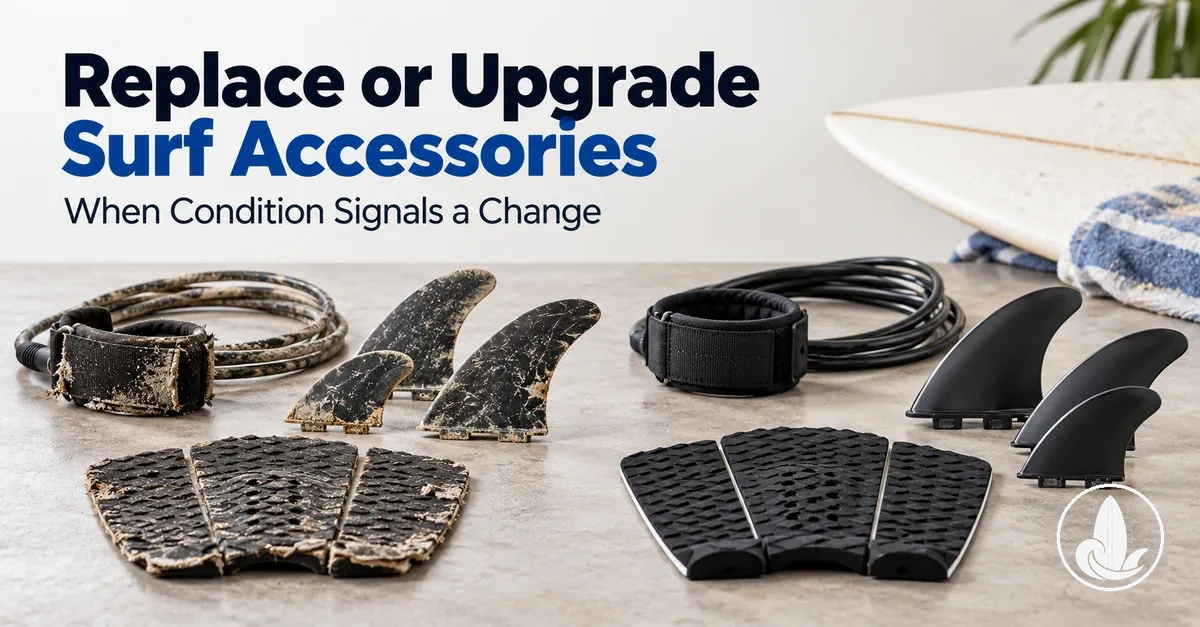
The image below illustrates how different use and exposure conditions can leave otherwise comparable surfboard accessories in different states.

For example, two similarly aged accessories can reach different conditions when one receives frequent use and prolonged environmental exposure while the other receives less use and more protective storage.
Maintenance can reduce persistent salt, moisture, and debris around components, but it does not establish a fixed service-life interval.
Replacement timing should therefore follow the accessory's condition in relation to its use, care, environment, and installation rather than elapsed age alone.
Wear and Performance Signs That Signal Replacement
Surfboard accessory wear becomes a meaningful replacement signal when material or attachment integrity is compromised or when a repeatable functional decline makes grip, retention, fit, or control unreliable.
Monitor or treat as a replacement concern?
Monitor
Cosmetic wear alone—such as superficial marks or discolouration—does not set the replacement point when structure, attachment, and intended function remain serviceable.
Replacement concern
Cracks, tears, separation, attachment deterioration, or a repeatable loss of grip, retention, fit, or control matter when they affect dependable function.
If a sign is ambiguous, compare the accessory under similar use conditions and judge whether reliability or function has actually changed.

Visible Damage and Material Breakdown
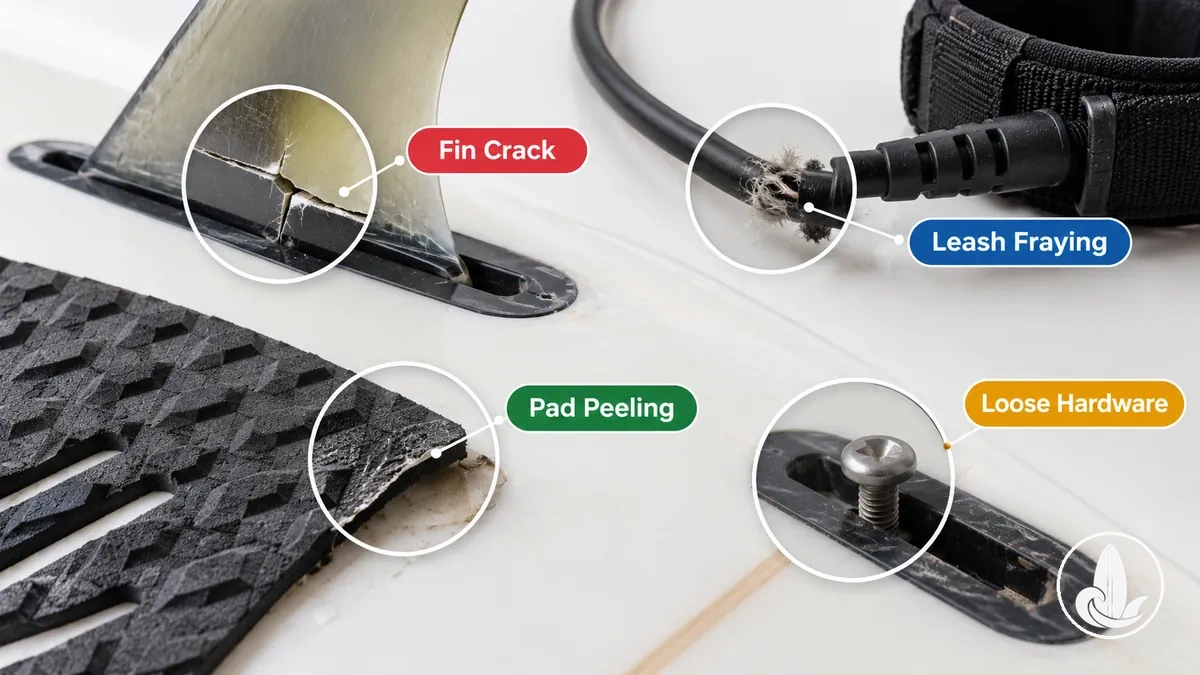
Visible damage matters most when it reaches the material, attachment, or load-bearing area responsible for integrity, retention, or serviceability.
A crack or separation through a functional part carries more weight than a superficial mark that leaves the structure and attachment intact.
Check the functional area
- Fin or fin tab
- Cracks, fractures, damaged tabs, or deformation are important when they threaten secure attachment, structural integrity, or control.
- Leash
- Fraying, cuts, tears, or deterioration at the cord, cuff, rail saver, or swivel are important when they reduce dependable retention.
- Traction pad
- Peeling, torn material, or adhesive separation matters when the pad can no longer stay securely attached or provide usable grip.
- Hardware or attachment
- Persistent looseness, deformation, corrosion, or damaged threads are significant when correct installation no longer produces a secure fit.
When the mark does not reach a functionally important area and performance remains reliable, continue monitoring rather than replacing on appearance alone.
Loss of Grip, Elasticity, Fit, or Control
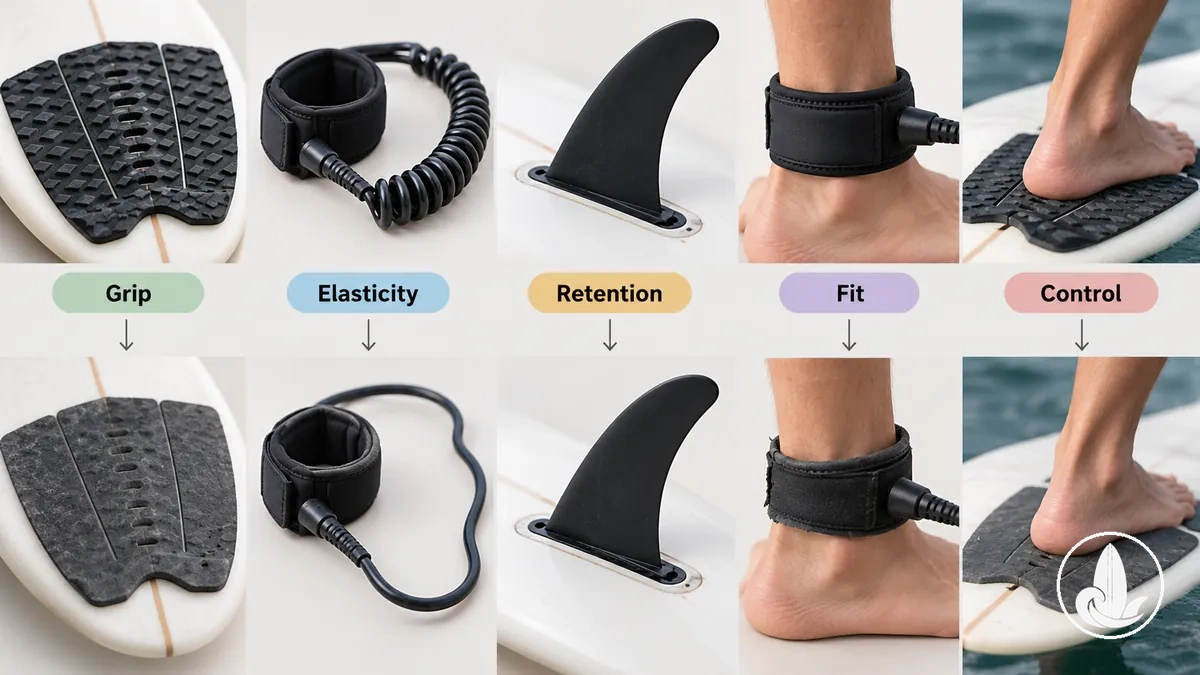
Surfboard accessory functional decline becomes a replacement concern when the same intended function performs less reliably under comparable use, even without obvious breakage.
Repeatable function checks
Grip
A traction surface or wax layer that repeatedly feels slick under comparable conditions is a stronger signal than a one-off change caused by different water, wax, or surface conditions.
Retention / elasticity
A persistent change in leash stretch or retention, especially with material or component deterioration, matters when board retention is no longer dependable.
Fit / control
A fin or attachment that repeatedly remains loose after correct installation, or produces a repeatable loss of control, indicates a functional issue rather than a cosmetic one.
Where the change is uncertain, repeat the check under similar conditions before treating a subjective feel change as evidence of deterioration.
Repair, Replace, or Upgrade: Choosing the Right Response
Choose whether to repair, replace, or upgrade a surfboard accessory by assessing damage severity, remaining function, repairability, reliability, failure consequence, and continued suitability for the use case.
Repair fits a limited serviceable defect with reliable function; replacement fits lost reliability or function; upgrade fits a still-functional accessory whose specification no longer suits the requirement.
The comparison below applies those same criteria to each response.
| Response | Condition | Functional reliability | Repairability | Safety relevance | Suitability | Likely response |
|---|---|---|---|---|---|---|
| Repair | Damage is limited to a serviceable defect | Intended function remains reliable outside the affected area | The defect is serviceable without relying on a functionally compromised part | The affected condition does not compromise a function relied on for continued use | The accessory still suits its use case | Repair the limited defect and reassess function |
| Replace | Damage or deterioration affects a functionally important area | Intended function or retention is no longer consistently reliable | The affected condition cannot be treated as a limited serviceable defect while retaining dependable function | Loss of the affected function would leave the accessory unable to perform a role relied on during use | The existing specification remains suitable for the use case | Replace with a suitable like-for-like accessory |
| Upgrade | The accessory remains serviceable | Existing function remains reliable | Repairability does not drive the decision because functional deterioration is not the issue | The decision is driven by suitability rather than an identified loss of relied-on function | The current specification no longer suits a changed requirement or use case | Upgrade to a specification suited to the changed requirement |

Use repair or replacement to restore dependable function; use an upgrade to correct a suitability mismatch when the accessory still works. The detailed tests below separate those three responses.
Repair When Damage Is Limited and Function Remains Reliable
Repair is reasonable when damage is limited and serviceable, primary function remains reliable, and the affected attachment or retention area remains stable.
The repair must be appropriate to the part and material; it should not depend on a structurally or functionally compromised area.
Repair is a fit when all of these remain true
- The defect is localised, not a crack, tear, or failure through a functionally important load or retention area.
- The accessory still performs its primary function reliably under the expected use.
- The attachment remains stable and can be restored without relying on compromised material.
- After the repair, function, attachment, and retention can be rechecked before normal use.

Replace When Wear Compromises Reliability, Safety, or Performance
Replacement becomes the stronger choice when an accessory's condition materially undermines its intended function, attachment, retention, or reliability.
The threshold is functional rather than calendar-based: the part can no longer be relied on to perform its intended role under the relevant use conditions.
Upgrade When Functional Gear No Longer Suits the Use Case
An upgrade is appropriate when the accessory remains serviceable but its current specification no longer suits the compatibility, fit, retention, control, or other characteristic required by the use case.
Wear alone does not define this decision: a functional accessory can be a poor fit for a changed board setup, surfing conditions, or performance goal.
Compare the accessory's current specification with the changed requirement; an upgrade is justified by a defined suitability gap, not by the assumption that a different specification is universally better.
Before choosing a different specification
- Compatibility: the current accessory should match the applicable interface or attachment requirement of the board setup.
- Fit or retention: the current specification should provide the fit or retention required for the accessory's intended function.
- Control or performance characteristic: the relevant specification should correspond to the defined control need or performance goal for the use case.
- Conditions or use requirement: changed surfing conditions or intended use can create a suitability gap even while the accessory remains functional.
For example, a fin that is still intact can be an upgrade candidate when its current interface or control characteristics no longer match the board setup or intended use.
Functional gear does not require replacement merely because another specification exists; the changed use case must justify the upgrade.
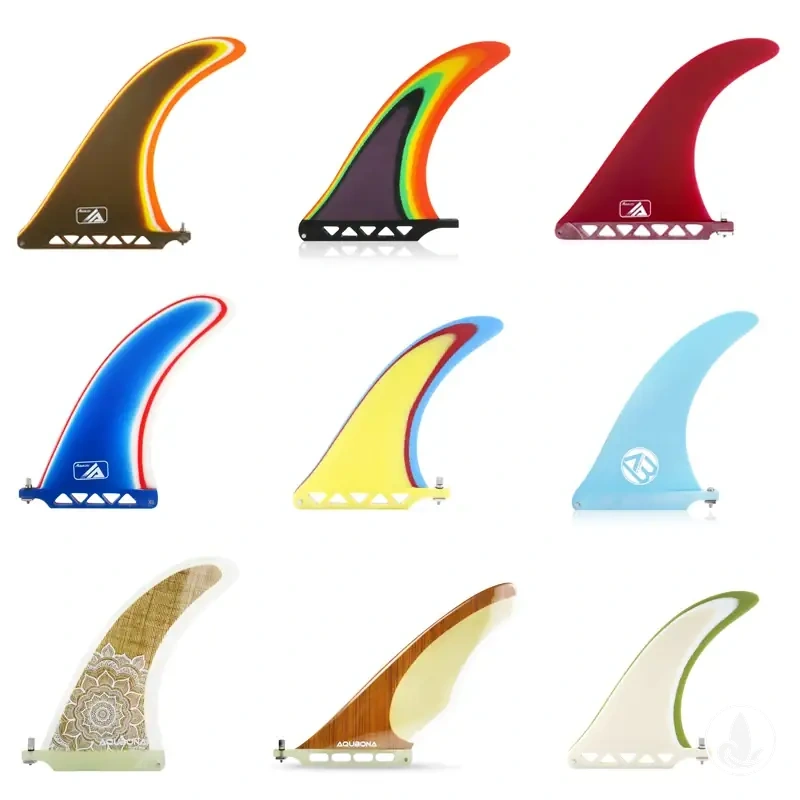
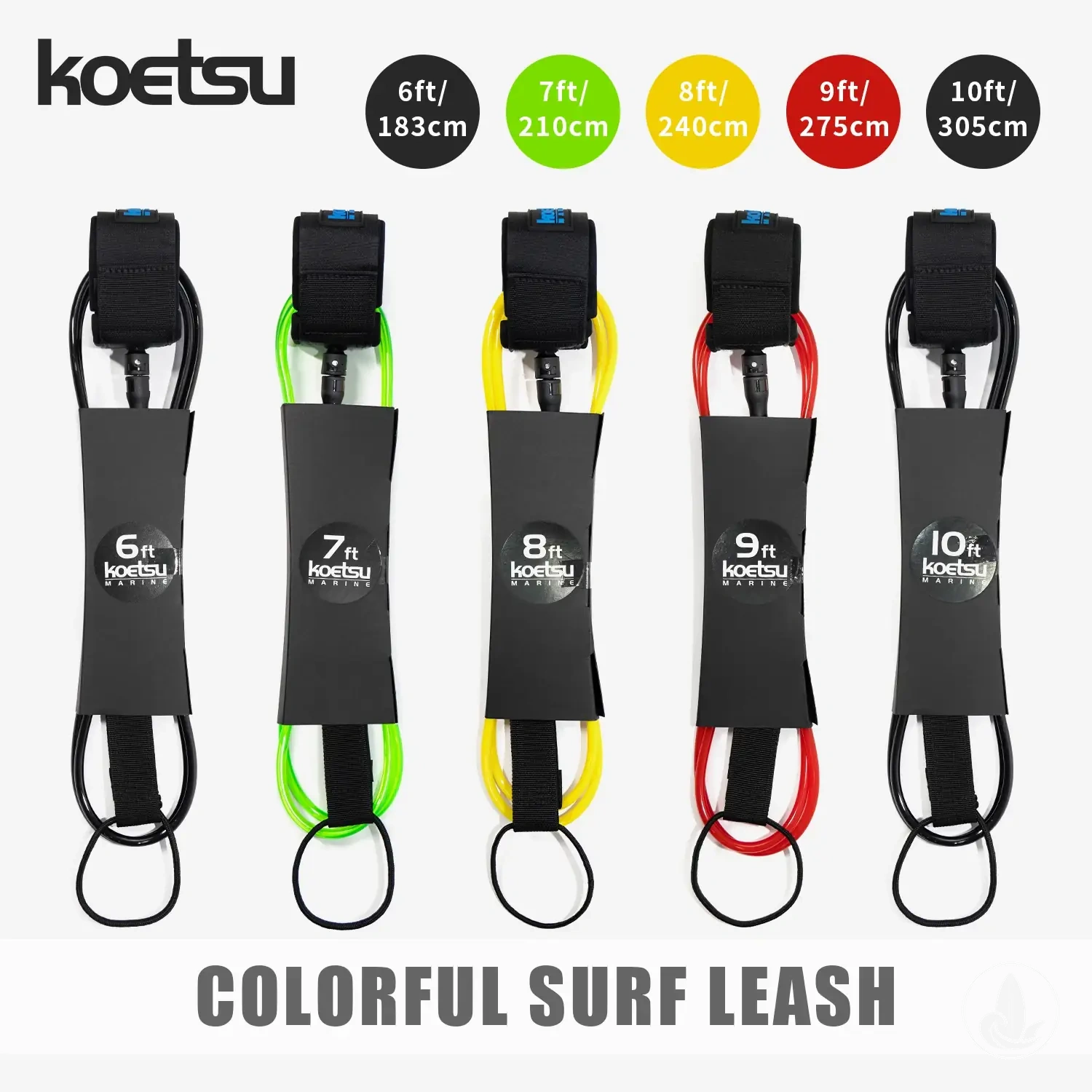
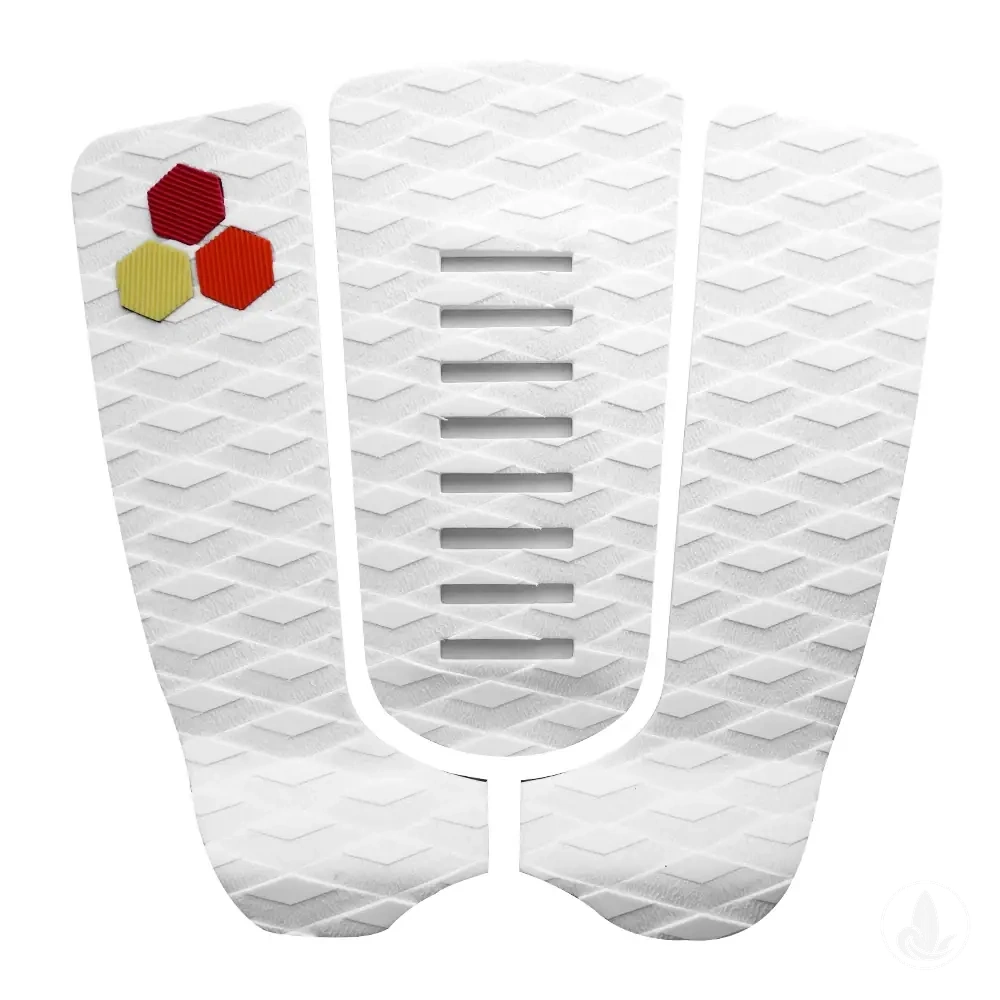
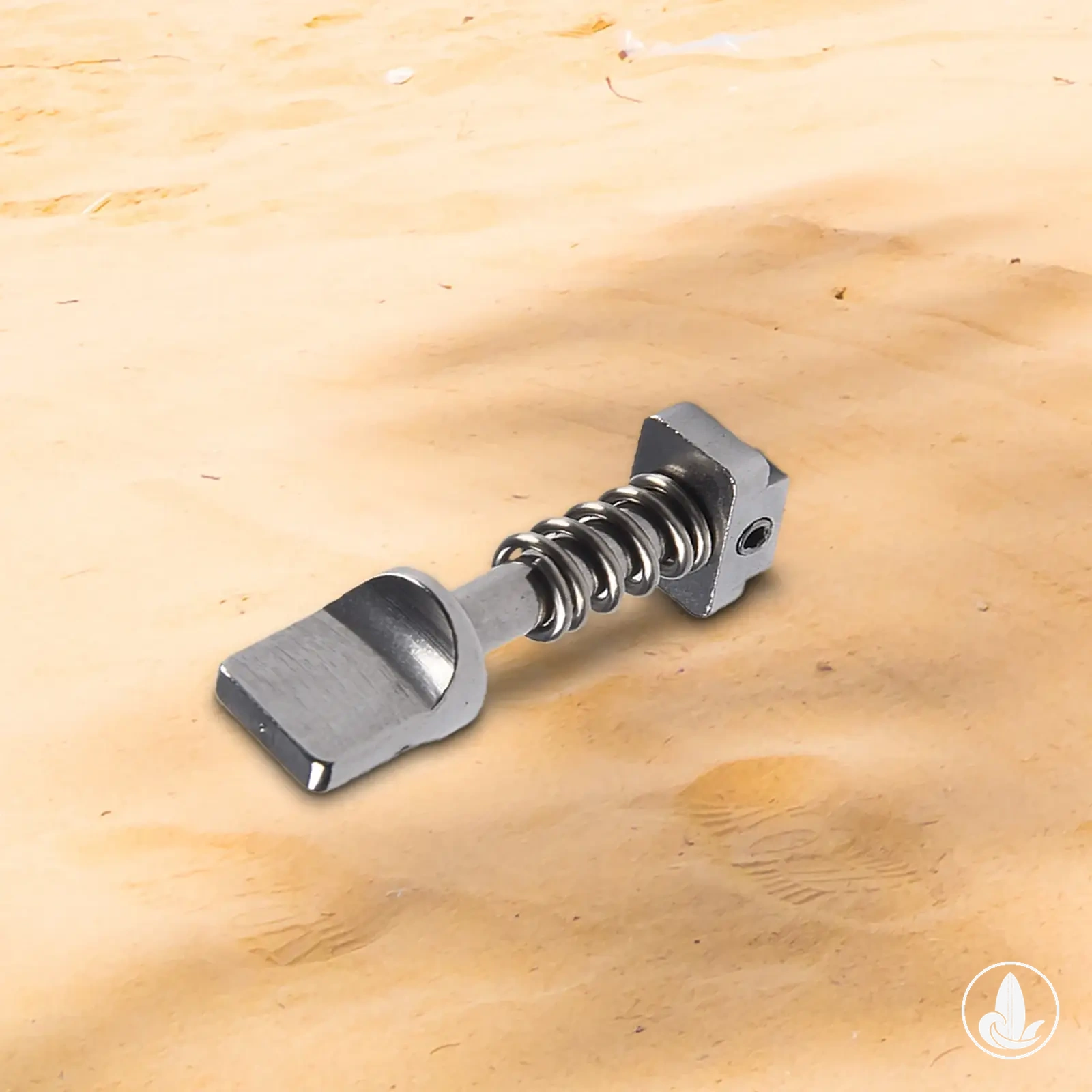
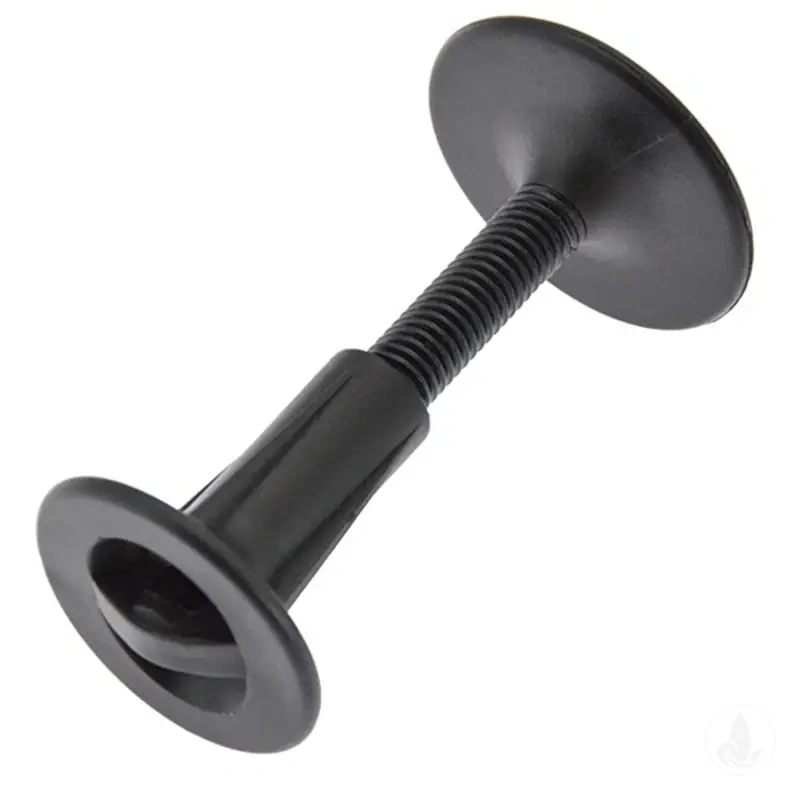
The existing product examples below can help compare fin, leash, traction, and attachment options after you have identified the required fit and function.
Before following a product link, verify compatibility, dimensions or size, attachment system, material, and the relevant listing details for your board and use case.
How Replacement Cues Vary by Surfboard Accessory
Each surfboard accessory has different replacement cues because it performs a different function.
Use the function that must remain dependable as the threshold: structural integrity and control for fins, board retention for leashes, usable grip for wax, and secure attachment plus grip for traction pads.
The table closes those accessory-specific checks into a practical function → cue → response relationship.
| Accessory | Primary function | High-level wear cue | Replacement concern |
|---|---|---|---|
| Fins | Control and secure attachment | Cracks or fractures, damaged tabs/base, deformation, persistent looseness, or repeatable loss of control | Replace when structural integrity, secure attachment, or dependable control is compromised; match any replacement to the board's fin-box/interface system. |
| Leashes | Board retention | Frayed or cut cord, tears, degraded elasticity, failing cuff/closure, rail saver, or swivel | Replace when the leash can no longer provide dependable board retention for the intended use. |
| Surf wax | Usable foot grip | Wax becomes slick, heavily contaminated, or unsuitable for the current water-temperature/use conditions | Clean and reapply or change the wax layer when usable grip is no longer adequate; choose a wax formulation suited to the conditions. |
| Traction pads | Foot grip and secure attachment | Peeling adhesive, torn or lifting sections, flattened/worn texture, or persistent loss of grip | Repair only limited attachment issues when secure adhesion can be restored; replace when attachment or usable traction remains unreliable. |
Across all four accessory types, cosmetic wear is not the decisive threshold. Act when the relevant function, attachment, retention, or grip becomes unreliable, and use compatibility requirements—not novelty alone—when selecting a replacement or upgrade.