Board connection
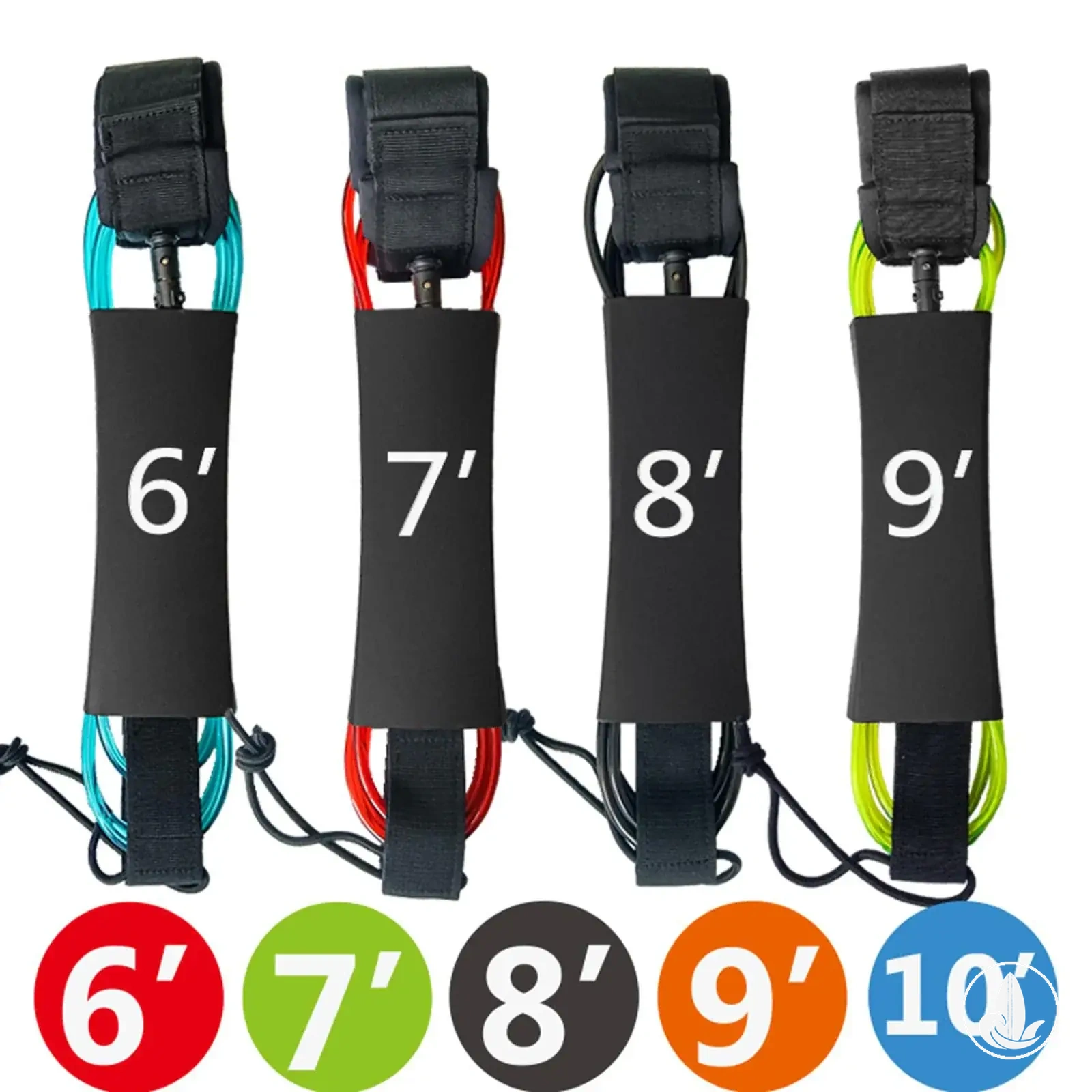
Leash: prioritise it when maintaining a connection between surfer and board is part of the use case. Check the board attachment, cuff fit, cord and connection condition, and intended surf conditions.
Choose surfboard accessories by first defining the job they must do—board connection, grip and control, fin setup, protection and transport, or repair readiness—then confirm board compatibility and judge construction against your surfing conditions and use frequency. Fit and function come before brand familiarity or price alone.
Find the right accessory profile
Select the main job and your use pattern. The guide returns the accessory type or profile to consider first, plus the checks that matter before you compare individual products.
Selection priorities
Start with the function the accessory must perform.
Then verify the board interface or dimensions where fit matters, and compare durability, protection and convenience in the context of your actual use.
Compatibility is product- and board-specific. This guide uses stable fit and use criteria; it does not assume current price, stock, seller terms or marketplace availability.
Use the same sequence throughout the guide: purpose → compatibility → construction and durability → value in use.
Choose accessories according to the function they must perform and the conditions in which they will be used. Safety, grip, control, protection and secure transport take priority when the use case creates those needs; convenience-led features remain secondary.

Board connection
Leash: prioritise it when maintaining a connection between surfer and board is part of the use case. Check the board attachment, cuff fit, cord and connection condition, and intended surf conditions.
Grip and footing
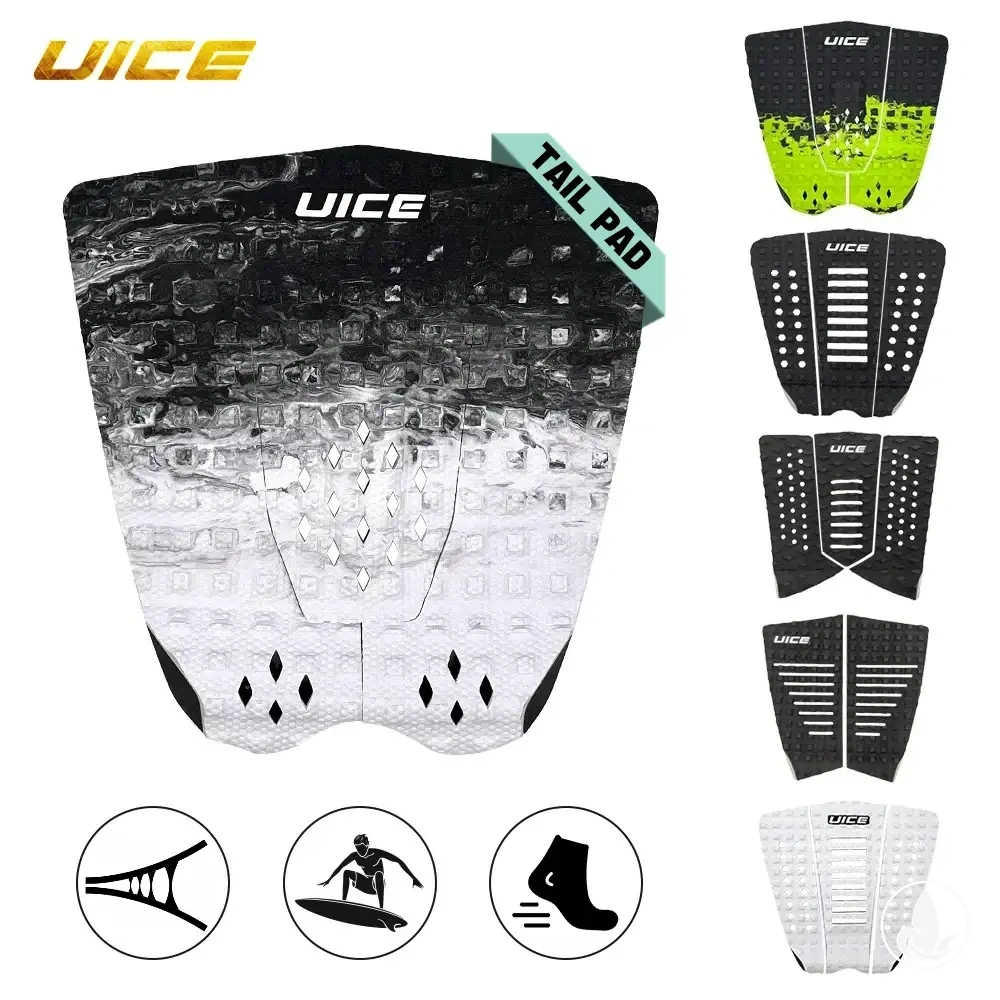
Wax or traction: prioritise grip when secure footing is required. With wax, use a formulation intended for the expected water-temperature range; with traction, check placement and secure adhesion to the deck.
Protection
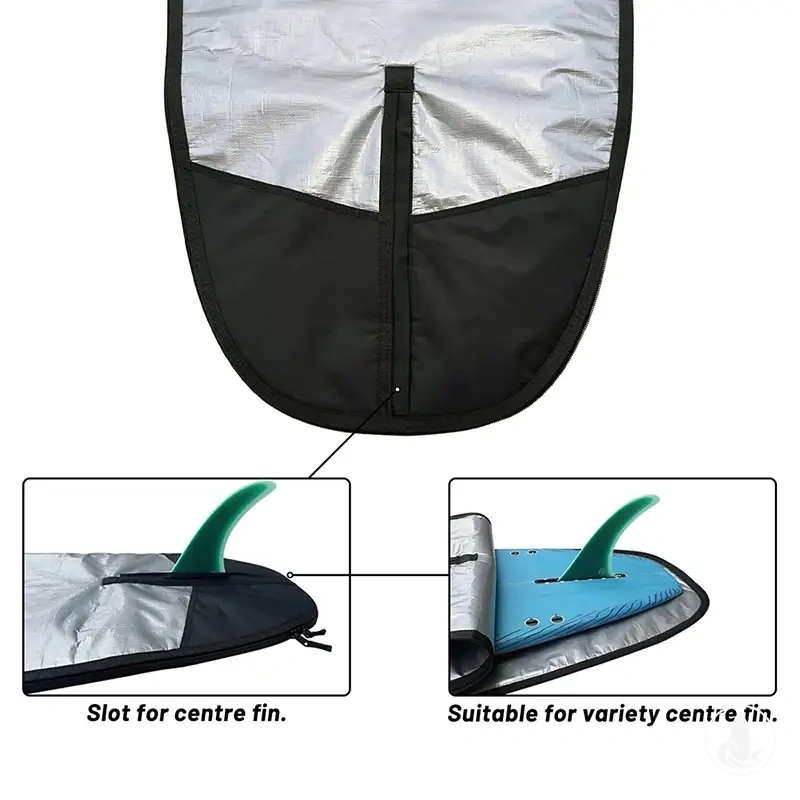
Board bag: becomes more useful when storage, handling or transport creates a realistic risk of knocks or surface damage. Fit must account for the board’s dimensions and profile.
Vehicle transport
Rack pads and tie-down straps: suit situations where the board is carried on a vehicle. Secure handling and the vehicle/rack setup matter more than generic accessory popularity.
Carrying convenience
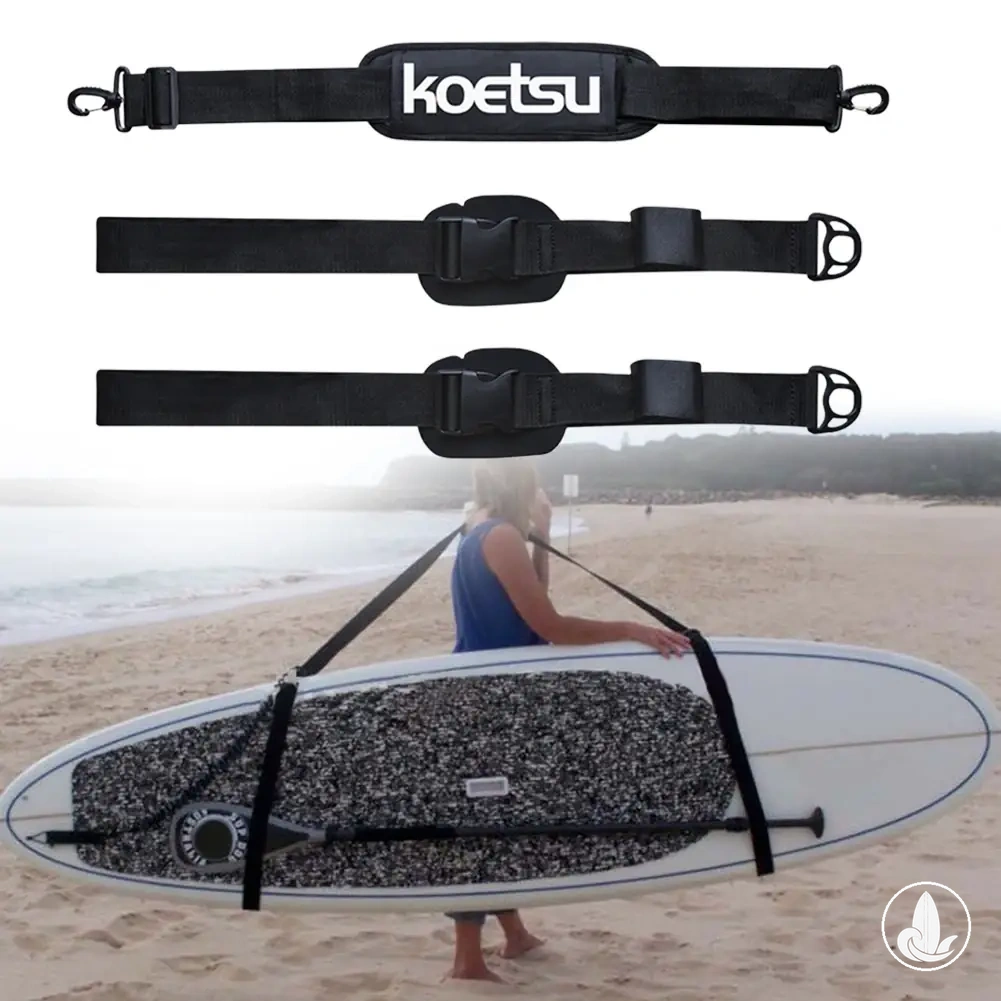
Carry strap: is a convenience option when carrying distance or handling effort is the problem to solve. Check adjustment, attachment method and suitability for the board being carried.
Repair readiness
Repair tools or a repair kit: are situational rather than universally essential. Confirm that any repair material is suitable for the board construction before use.
The priority is therefore conditional: buy for the need that exists in your actual surfing, storage or transport routine, not for a fixed “essential accessories” list.
Surfing conditions, exposure and frequency of use change how much weight to give grip, protection, durability and convenience. The same accessory can be a low priority for occasional local use and a high priority when sessions or transport are frequent.

Skill level can change the weighting of stability, grip and safety-related considerations, but it does not create one universal accessory list. Use the surfer’s needs, local conditions and actual session frequency as the decision context.
Confirm compatibility before purchase whenever an accessory must fit, attach to or interface with the surfboard. Match the accessory’s relevant dimensions, attachment method and system requirements to the board; appearance, brand familiarity or a generic size label is not proof of fit.

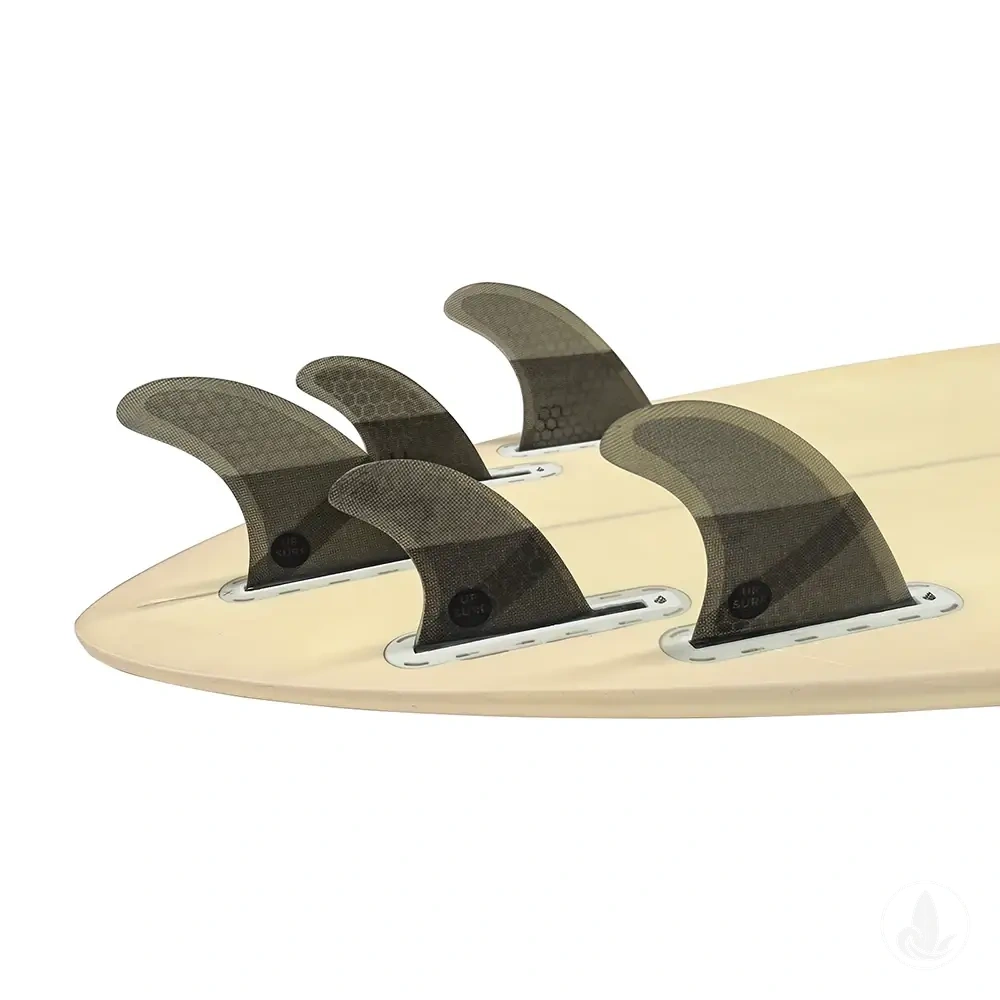
Surfboard fins
Surfboard leash
Board bag
Compare materials and construction only where they change durability, protection, flexibility, weight or expected performance for the intended use. Compare like with like: the same accessory type, similar fit requirements and comparable use conditions.

Observable build details are more useful than an unsupported “premium” label. For padded gear, for example, padding coverage, stitching and closures matter because they can affect protection and resistance to wear; other accessory types need quality cues connected to their own function.
Compare the same decision factors side by side
| Comparison factor | Observable quality cue | Relevant use condition | Performance implication |
|---|---|---|---|
| Materials and construction | Material condition, joins, seams or other build details relevant to the accessory | Repeated use or exposure relevant to the accessory | Durability carries more decision weight when the accessory will face repeated use or wear |
| Padding and protective build | Padding coverage, stitching and closure construction where applicable | Handling, storage or transport where protection matters | Greater protective construction can favour protection while increasing bulk or weight |
| Flexibility and stiffness | How the relevant component bends or resists bending for its intended function | Use where movement, support or control is functionally relevant | The useful balance is the one that supports the accessory's required function rather than flexibility or stiffness alone |
| Weight and protection | Amount and distribution of protective construction where applicable | Transport or handling where carrying effort and protection both matter | Greater protective construction can increase weight, while lighter construction can reduce carrying burden |
| Fit and construction | Shape, interface and relevant fit features | The intended surfboard and accessory use | Construction contributes useful performance only when fit supports the accessory's intended function |
Flexibility and stiffness are also functional trade-offs rather than universal quality rankings. Judge each by how it supports the accessory’s required control, fit or movement. Price, brand reputation and marketing language remain secondary unless supported by observable construction and consistent performance in relevant use.
A quality claim is more useful when testing or reviews identify the conditions, the observed performance and the reviewer’s context. Repeated observations under comparable use conditions carry more decision value than a generic promotional statement.

Value for surfboard accessories depends on useful performance over time, not price alone. No single purchase-price threshold or lifespan applies across accessory types and use conditions; value depends on what the accessory needs to do, how often it is used and how long it remains fit for that purpose.

Interpret acquisition cost alongside usefulness, use frequency, expected service life and replacement likelihood. Frequent use gives durability more weight; infrequent use makes it more important that any added cost delivers a benefit you will actually use.
Value factors to compare
| Value factor | Condition to assess | Effect on value judgment |
|---|---|---|
| Price | Acquisition cost relative to the required function | A higher cost adds value only when it supports a practical benefit relevant to the intended use |
| Usefulness | How directly the accessory serves the required function | Greater practical relevance strengthens the value case, while unused features contribute little practical value |
| Use frequency | How regularly the accessory is expected to perform its function | More frequent use gives continued usefulness and durability greater weight in the decision |
| Expected lifespan | Service life under the intended use and care conditions | Longer continued useful performance under comparable conditions strengthens long-term value |
| Replacement frequency | How soon loss of required function or condition would make another accessory necessary | Earlier replacement weakens long-term value when cost, usefulness and use conditions are otherwise comparable |
Product examples for comparison: use the criteria above before following a product link. The examples are starting points for evaluating fit and features, not compatibility guarantees.